
Families in Dallas with a known history of cancer often seek reliable ways to monitor their long-term health. While no single test can predict or prevent cancer, whole-body MRI has emerged as a radiation-free imaging tool that can support early detection efforts. It is not a diagnostic replacement but rather an optional screening method that some individuals choose to include in their wellness routines. Those wanting to explore general information on the topic may go here for a broader context.
Why Family History Matters?
When immediate family members have been diagnosed with cancer, particularly at a young age, it often causes one to wonder about his/her personal risk. While only a handful of cancer cases are caused by inherited genetic mutations, family trends can still signal a higher risk of getting cancer. In such cases, a lot of people would like to be on the safe side of their health and sometimes consider a whole-body MRI as part of their precautionary measures.
Whole-body MRI is meant to locate the majority of the organs and the soft tissues of the body without the use of ionizing radiation. This is what makes it different from CT scans or PET scans, which emit small doses of radiation. If an individual is likely to be subjected to imaging many times during his/her lifetime, then the fact that there is no radiation can be a very attractive feature.
How Whole Body MRI Works?
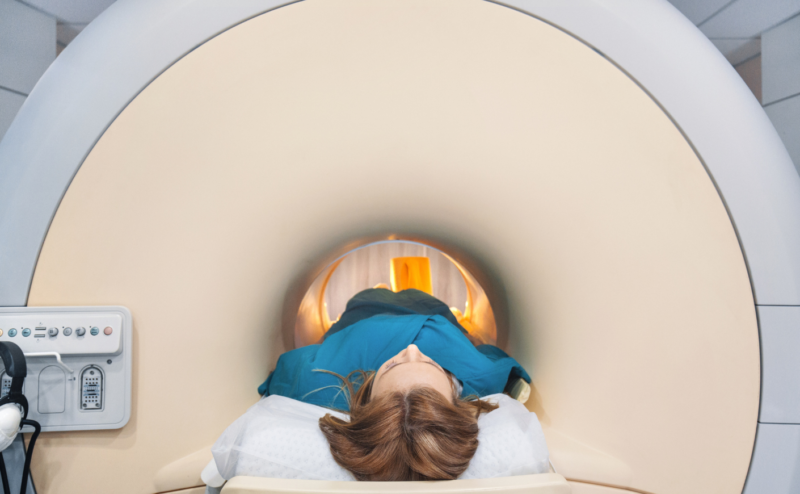
A full-body MRI employs powerful magnets and radio waves to generate detailed pictures of the inside of the body. The operation is usually without pain, but it may take a long time during which you have to stay still in the scanner. In some cases, a contrast agent may be used if the aim of the scan is to show the doctor certain tissues more clearly and the healthcare professional advises it.
Whole body MRI, as opposed to targeted MRIs, which are only done for a specific organ or symptom, gives a general view of the body. There are times when it can spot the areas of the body that look abnormal, and this may require further investigation. Notably, any finding is not an indication of disease, and a lot of incidental findings are just normal. Therefore, it is necessary to see a qualified medical professional for the next steps.
For Whom Whole Body MRI May Be Considered
Individuals with a family history of cancer may consider whole body MRI for several reasons:
- Peace of Mind: Regular screening can help some people feel more in control of their health.
- Monitoring Genetic Predispositions: Those with known hereditary cancer syndromes may be advised to undergo routine imaging as part of their long-term surveillance strategies.
- Non-Invasive And Radiation-Free Nature: People concerned about cumulative radiation exposure may prefer MRI-based methods.
Whole body MRI does not replace standard screening guidelines such as mammograms, colonoscopies, or targeted genetic testing. Instead, it may act as an optional supplement for those who want broader visibility into their overall health status.
Limitations To Keep In Mind
Whole body MRI provides extensive imaging abilities, but it still has its limitations. The scan is unable to find all types of cancer, and it is not able to confirm if a cancer is present at just a single glance. Furthermore, the possibility of false positive results may cause a patient to feel anxious or increase the number of follow-up examinations.
Doctors usually point out that the selection of screening tests depends on the person. A question whether to have a whole body MRI ought to be answered considering one’s medical history, age, genetic factors, and the opinion of a doctor.
The Role Of Informed Decision–Making
For Dallas families dealing with health issues caused by a cancer history, knowing their options is a crucial step. Some people might find whole-body MRI comforting; however, this procedure yields the best results when it is accompanied by a healthy lifestyle, regular visits to the doctor, and the use of screening tools that have been tested by research.
Those considering whole body MRI for general informational purposes may go here to learn more about the process and its potential role in long-term wellness planning.




More Stories
Understanding Anxiety Therapy And Psychiatry
Understanding Applied Behavior Analysis Therapy In Autism Care
A Comprehensive Look At Non-Surgical Medical Spa Treatments In Edison, NJ