
Families searching for structured, research-based support for their children diagnosed with Autism Spectrum Disorder (ASD) are likely to come across Applied Behavior Analysis (ABA) as an intervention option. In the autism therapy facility located in Chelmsford, MA, specialists use ABA regularly as one element of a broad treatment plan aimed at tackling the difficulties in communication, social, and behavioral skills that the child faces. Those who are caring for the child and are looking into different therapies should, at the very least, learn more about the basics of ABA therapy, its functioning, and its goal.
Basic components of ABA
Applied behavior analysis, or ABA, is a behavior modification method that comes from the theory of behavioral science. The fundamental concept of ABA is that behavioral changes are achievable through the modification of environmental factors and that behavior can be changed significantly through planned intervention. Unlike other therapeutic methods that focus on the mind and feelings, ABA concentrates entirely on those behaviors one can see and measure. The behavioral therapist studies the behavior pattern in terms of what the behavior looks like, what causes or triggers it, and what the results of such behavior are.
ABA’s most important focus is reinforcement. Good performance or positive behaviors are always followed by some form of reward, which leads to an increase in the probability of such behaviors being repeated. Meanwhile, when talking about negative or unproductive behaviors, afterward, these are being treated through a structured way in which the efficacy of the reduction of their occurrence is carefully monitored. In fact, this is a process very much dependent on the data, and it always involves re-evaluating the outcomes regularly so as to know if the interventions being applied are working or not.
How ABA Therapy Is Structured?
ABA therapy is highly personalized. A clinic in Chelmsford, MA, for example, the clinicians do a detailed assessment first to find out the child’s strengths, challenges, and developmental needs, and then a personalized treatment plan is developed based on this evaluation. The goals can be about different areas such as communication, social interaction, daily living skills, or even behavior, whichever ones the child needs help with most.
Therapy sessions can be held in different places such as a clinic, the child’s home, or school. If someone is learning how to ask for something verbally, it may start off with the person making some simple sounds or using gestures before they can say complete words or sentences. Then each little accomplishment is positively reinforced to motivate further progress.
A key part of ABA therapy is data collection. Therapists take notes on how the child performs in every session, and thus are able to see if the child gets better and if they need to change strategies. The use of this objective measure also contributes to maintaining the child’s developmental progress as the prime focus of the interventions.
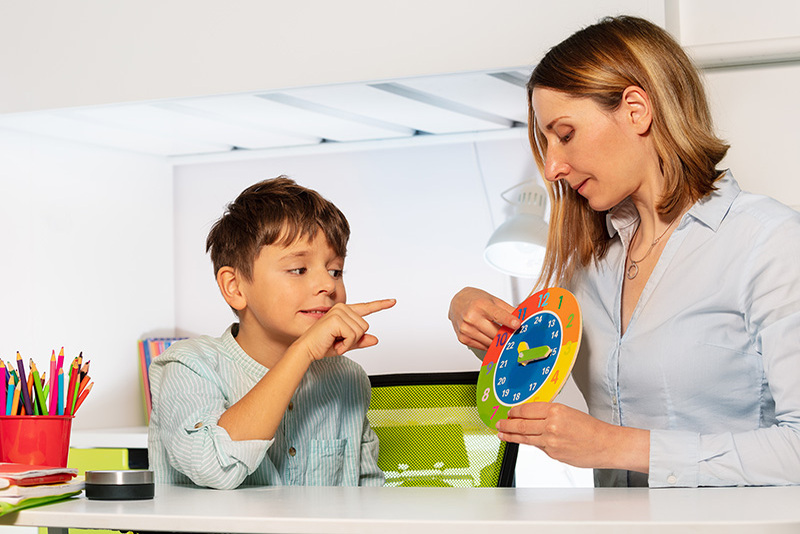
Areas Addressed Through ABA
ABA therapy can help develop several areas of a child’s life. Usually, communication is the major goal, especially in cases where children struggle with either giving or understanding language. They can be taught through therapy sessions how to communicate their basic needs and wants, for example, requesting help or expressing their choice.
Social skills are also one of the areas that are worked on. A child can be instructed on how to start a conversation, share, maintain eye contact, or behave properly in the group, etc. These kinds of skills are deeply ingrained through repeated practice in a very structured manner so that a child not only feels confident but also easily applies them.
Emotional regulation is another point of focus. Some children with autism might find it hard to control their emotions when they get upset, change their activities, or their sensory system gets overloaded. ABA interventions aim to analyze what is causing the behavior and to teach them different ways of reacting that are healthier, safer, and more in line with the environment.
Caregivers Role and Cooperation
Parental participation is required very much in ABA therapy. Clinics usually inform parents of how the therapy is working so that they can continuously use certain approaches even when the child is at home. When the child is supported at different places in a similar way, he can learn better, and the gains will be more stable.
There might be instances when the child’s teacher, speech therapist, or occupational therapist will also be informed about the ongoing therapy. Such teamwork helps ensure that the aims of the treatment are in agreement in various places and that any improvement made by the child in one of these areas will help him/her develop other skills.
Evidence and Ongoing Evaluation
ABA is considered by many to be the therapy with the most scientific evidence for autism. There is a large body of research that focuses on the efficacy of ABA in helping autistic people with their communication as well as social and daily living skills. Still, the results of treatments depend largely on personal circumstances such as the child’s starting age for intervention, the level of service, and the presence of other disorders.
Regular assessments are necessary. In short, the child’s treatment goals and the progress made towards these goals are liveable and measurable. Therapy may be flexible enough to be adapted to the child’s needs as they grow and change.
By getting to know the framework, the spirit, and the purposes of ABA therapy, a family can equip itself to make wise choices regarding the purchase of services from an autism therapy center in Chelmsford, MA. People who want to learn more about therapy methods, assessment procedures, or the network of services available to them should consider consulting reliable professionals and turning to evidence-based materials.




More Stories
Understanding Anxiety Therapy And Psychiatry
Understanding Whole Body MRI For Dallas Families With A History Of Cancer
A Comprehensive Look At Non-Surgical Medical Spa Treatments In Edison, NJ